What is an Aseptic Packaging Machine?
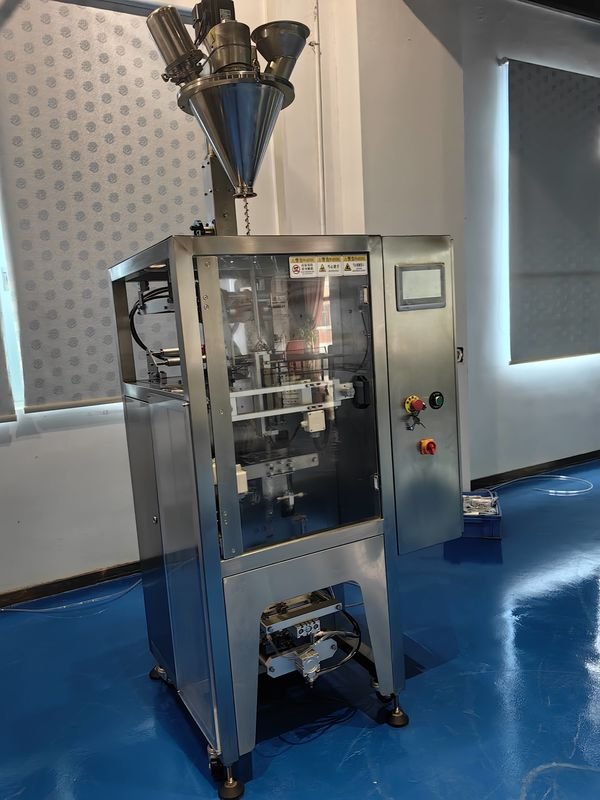
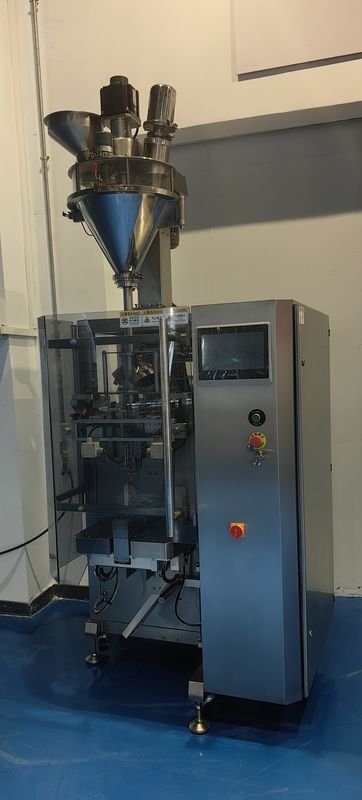
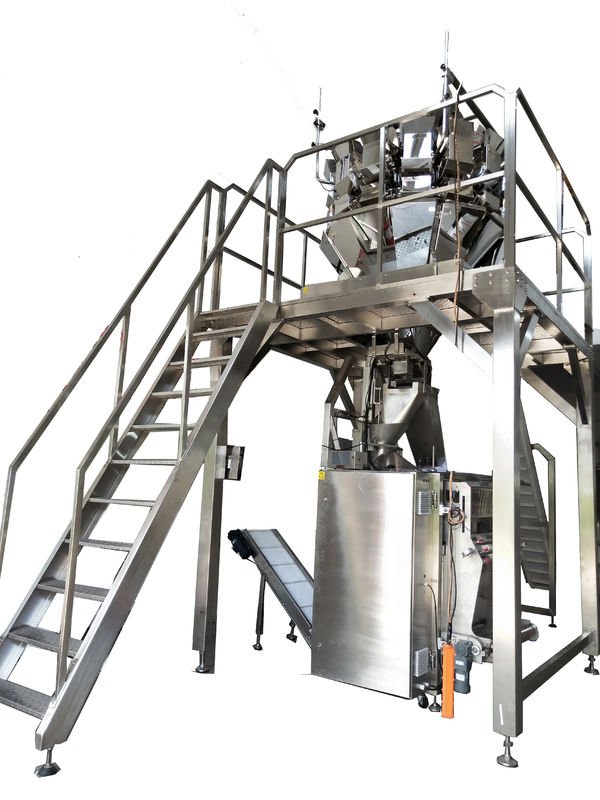
An aseptic packaging machine is an advanced packaging system designed to fill and seal sterile products, such as dairy, juice, and ready-to-eat foods, in a germ-free environment. The process ensures extended shelf life, product safety, and preservation of taste and nutrition without the need for refrigeration or preservatives. This technology is widely used in the food and beverage industry, pharmaceuticals, and healthcare sectors for high-value and perishable products.

How Does Aseptic Packaging Work?
-
Sterilization:
Both the packaging materials and the product are sterilized separately using heat, chemicals, or radiation. -
Filling:
The sterile product is transported to the filling station in a controlled, germ-free environment. -
Sealing:
The sterile packaging is filled and hermetically sealed, ensuring no contamination. -
Quality Control:
Each package undergoes rigorous inspection for leaks, contamination, and seal integrity.
Extended product shelf life and retention of nutritional value.
Why Choose Aseptic Packaging Machines for Food and Beverage?
Aseptic packaging eliminates the risk of microbial contamination, making it ideal for sensitive products such as dairy, juices, and ready-to-eat meals.
Reduces the need for cold storage and preservatives, lowering operational costs.
Many aseptic packages are recyclable and require less energy for transportation and storage.
Preserves the original taste, aroma, and nutrition of the food or beverage.
Key Features of Modern Aseptic Packaging Machines
-
High-Speed Operation:
Capable of handling large production volumes with minimal downtime. -
Automated Quality Control:
Integrated sensors and AI-driven systems monitor every step for consistency and safety. -
Flexible Packaging Formats:
Supports bottles, cartons, pouches, and custom containers. -
Compliance:
Meets international standards such as EU, GMP, CE, and ISO. -
Energy Efficiency:
Designed for low energy consumption and reduced carbon footprint.
Applications of Aseptic Packaging in Food and Beverage Industry
Aseptic packaging machines are widely adopted in various sectors, including:
- Dairy products (milk, yogurt, cream)
- Juices and beverages
- Ready-to-eat meals
- Sauces and soups
- Pharmaceutical and healthcare products
The aseptic packaging market is growing rapidly due to increasing demand for safe, nutritious, and convenient food options.
How to Select the Right Aseptic Packaging Machine?
-
Production Capacity:
Match the machine’s throughput to your operational needs. -
Packaging Flexibility:
Choose machines that can handle multiple formats if you produce a range of products. -
Compliance & Certification:
Ensure the equipment meets all necessary hygiene and safety standards (EU, GMP, CE, ISO). -
After-Sales Support:
Partner with a manufacturer offering localized service and technical assistance. -
Energy & Resource Efficiency:
Consider modern machines with eco-friendly and cost-saving features.
Why Choose Packmate (GuangDong) Co., Ltd.?
Since 1993, Packmate has been at the forefront of packaging equipment innovation, delivering reliable and efficient solutions worldwide.
All machines comply with EU, GMP, CE, and ISO standards, ensuring durability, safety, and performance.
Over 30 patents and ongoing investment in technology guarantee future-ready machines.
Exported to Europe, Americas, Africa, Middle East, and Southeast Asia with robust agency and service networks.
We prioritize your needs, offering fast delivery, localized support, and long-term partnerships.
Aseptic Packaging Machine Maintenance & After-Sales Service
Proper maintenance is essential for maximizing the performance and longevity of an aseptic packaging machine. At Packmate, we provide comprehensive after-sales services, including:
- Installation and commissioning
- Operator training
- Preventive maintenance schedules
- Remote troubleshooting and on-site support
- Spare parts availability
Future Trends in Aseptic Packaging Technology
-
Digitalization & Industry 4.0:
Integration of IoT and smart automation for real-time monitoring and predictive maintenance. -
Sustainable Packaging Materials:
Development of compostable and biodegradable aseptic packaging. -
Flexible Manufacturing:
Machines capable of quick changeovers to meet diverse consumer preferences. -
Enhanced Food Safety:
Advanced sterilization and contamination detection technologies.